Product labels play an important role in helping consumers understand what a cannabis-derived disposable contains and how it should be handled. Yet technical terms, concentrate descriptions, and promotional wording can leave important questions unanswered. Understanding cannabinoid information, laboratory testing, device specifications, and safety warnings helps adults evaluate products more objectively. Rather than relying on a product name or attractive packaging, consumers should focus on verifiable details and manufacturer guidance to understand what a specific disposable offers and what its label cannot guarantee.
What Does a THCa Rosin Disposable Label Tell You?
A product label can provide information about a device’s stated formulation, cannabinoid content, quantity, manufacturer, and handling requirements. The exact details available depend on the product and applicable regulations.
The phrase fvkd exotics thca rosin disposable combines a brand identity, a concentrate description, and a device format. Each part communicates something different, but the complete product label is needed to understand the specific formulation and intended use.
Why Technical Terms Need Context
THCa stands for tetrahydrocannabinolic acid, a cannabinoid found in cannabis. When exposed to sufficient heat, THCa can convert into delta-9 THC, the compound primarily associated with cannabis intoxication.
Live rosin generally refers to a concentrate produced through mechanical separation rather than chemical-solvent extraction, often using material preserved to retain its original characteristics.
These terms describe aspects of a product, but they do not independently establish its potency, purity, or safety. Consumers should check the stated composition and relevant testing information instead of treating technical terminology as proof of quality.
Which Cannabinoid Details Should Consumers Check?
Cannabinoid information can help explain a product’s stated composition. Depending on the formulation and applicable labeling rules, a label or accompanying laboratory report may identify THCa, delta-9 THC, CBD, or other measured cannabinoids.
These measurements should be interpreted carefully. A percentage describes concentration, while total quantity describes how much material is present. Neither measurement alone predicts an individual’s response.
Why Product-Specific Testing Matters
A certificate of analysis, commonly known as a COA, is a laboratory report documenting results for specified tests on a sample. Depending on the testing program, it may include cannabinoid measurements and screening for selected contaminants.
Before relying on a report, check whether it identifies the relevant product or batch, who conducted the testing, which substances were assessed, and when the report was issued.
Testing has limits. A report may not cover every potential hazard, and a favorable result cannot establish that inhaling a product is harmless.
What Makes Disposable Device Specifications Important?
A disposable vape typically combines a battery, heating element, and reservoir in one unit. Its design can influence charging requirements, operation, storage, and disposal.
Labels and manufacturer instructions should clarify how the device is intended to be used. Consumers should not assume that every disposable has the same battery configuration, charging capability, or operating requirements.
Battery and Handling Information
Battery safety deserves attention because disposable devices contain electronic components that can malfunction if damaged or handled incorrectly.
Look for clear instructions and follow these precautions:
- Do not use a device with a damaged battery, leaking contents, or unusual overheating.
- Do not modify the device or use incompatible charging equipment.
- Follow the manufacturer’s storage and operating instructions.
- Keep products securely away from children and pets.
- Follow local requirements for battery and electronic-waste disposal.
A device’s compact design does not remove these safety considerations.
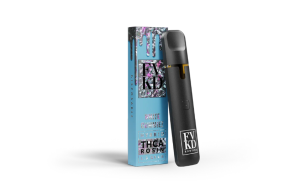
How Does the FVKD Mini Format Compare?
The fvkd mini format can be assessed using the same principles as other disposable devices: examine the individual product’s dimensions, stated capacity, formulation, and operating instructions.
A smaller device may occupy less space, but compact dimensions do not automatically mean better performance, greater efficiency, or lower health risks. Capacity and battery characteristics should be verified from the specific listing rather than inferred from the word mini.
Why Size Is Not a Quality Guarantee
Products can differ in their internal construction and formulation even when they belong to the same general category. A smaller device may have different specifications from a larger alternative, but size alone cannot establish its reliability or overall quality.
When comparing formats, review documented features instead of relying on appearance or broad promotional claims.
Which Label Claims Deserve a Closer Look?
Terms such as premium, pure, and high quality can communicate brand positioning, but they do not independently prove a particular manufacturing standard or chemical composition.
A useful label review should answer several basic questions:
| What to check | Why it matters |
| Ingredients | Clarifies the stated formulation |
| Cannabinoid measurements | Provides information about reported composition |
| Batch identification | Helps connect the product to supporting documentation |
| Laboratory report | Shows which characteristics were tested |
| Device instructions | Explains operating and handling requirements |
| Warnings and restrictions | Provides important safety and legal context |
If essential information is missing or inconsistent, contacting the manufacturer or seller is more reliable than filling the gaps with assumptions.
Responsible Use, Storage, and Legal Considerations
Cannabis-derived products may carry health risks, and intoxicating cannabinoids can affect memory, attention, coordination, and judgment. Do not drive or operate machinery while impaired.
Store products securely, follow the manufacturer’s instructions, and check local laws before purchasing, possessing, or using cannabinoid products. Legal requirements and product standards can differ by jurisdiction.
People who are pregnant or breastfeeding, have relevant medical conditions, or take medications that may interact with cannabinoids should consult a qualified healthcare professional before considering these products.
Conclusion
Disposable product labels can clarify formulation, cannabinoid measurements, device specifications, and handling requirements, but they cannot guarantee overall safety. FVKD Exotics products should be evaluated through accurate labeling, relevant laboratory documentation, and manufacturer instructions. Comparing compact and larger formats also requires attention to verified specifications rather than assumptions about size. By separating marketing language from measurable facts, adults can assess product information more carefully and recognize the limitations of testing and product claims.
Disclaimer: For adults 21+ only, where legally permitted. Cannabis products may carry health risks. This article is informational only and is not medical or legal advice.
